


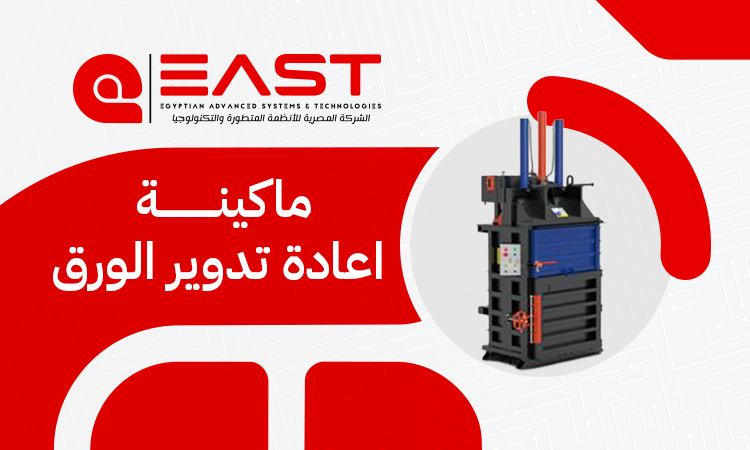
Paper Recycling Machine: Benefits, Process & Buying Guide
In a rapidly changing industrial landscape where sustainability directly drives profitability, investing in paper recycling equipment has emerged as one of the most lucrative ventures in the manufacturing sector. As global markets transition toward eco-friendly packaging and sustainable alternatives, consumer and corporate demand for recycled paper products continues to hit historic highs. However, establishing a profitable facility requires far more than merely purchasing basic hardware. Long-term commercial success hinges on selecting a fully integrated production line—engineered for high output, superior manufacturing durability, and energy efficiency—aligned perfectly with your capital investment and target product line.
Whether you are exploring a paper recycling machine small scale unit for niche commercial items or setting up an enterprise-grade industrial pulp facility, this comprehensive guide covers everything you need to know before making a purchase. From operational mechanics and equipment classifications to technical criteria, pricing frameworks, and global importing tips, this manual empowers you to build a resilient, high-yield manufacturing operation with guidance from industry leader EAST Automation.
How Does Industrial Paper Recycling Equipment Work?
Industrial recycling lines rely on a seamless sequence of mechanical and chemical sub-processes to transform raw waste paper into pristine, market-ready paper sheets or molded pulp products. A modern production line executes five core operational phases:
1. Pulping (Vortex Disintegration)
The processing cycle begins by feeding waste paper into a high-consistency hydrapulper along with water. High-speed rotary impellers break down the paper fibers, converting the dry waste into a homogeneous liquid suspension known as paper pulp.
2. Cleaning & Screening
Once pulped, the slurry passes through multi-stage centrifugal cleaners and pressure screens. This phase separates non-paper contaminants—such as staples, plastic films, adhesives, sand, and ink residues—ensuring the resulting pulp meets rigorous commercial purity standards.
3. Web Formation (Forming Phase)
The refined pulp slurry is pumped onto a moving wire mesh fabric (Fourdrinier wire or cylinder mold). Powerful vacuum suction systems continuously extract water, causing the cellulose fibers to intertwine and form a cohesive, continuous web of wet paper.
4. Mechanical Dewatering & Thermal Drying
The continuous paper web passes through heavy nip presses to squeeze out excess moisture mechanically. It then traverses a series of steam-heated drying cylinders (Yankee dryers) to reduce moisture levels to precise commercial specifications, imparting structural strength and surface integrity.
5. Calendering, Winding, & Finishing
In the final phase, the dried paper passes through calendering rolls to smooth its texture and adjust density. It is then wound onto massive master reels, ready for slitting, custom converting, or direct shipment to downstream packaging clients.
Executing each step with technical precision ensures high product yields while minimizing fiber loss—making the choice of your paper recycling machine and engineering partner the foundational pillar of your project's profitability.
For more information, you can read our article paper shredder machine egypt to explore detailed insights and the latest updates
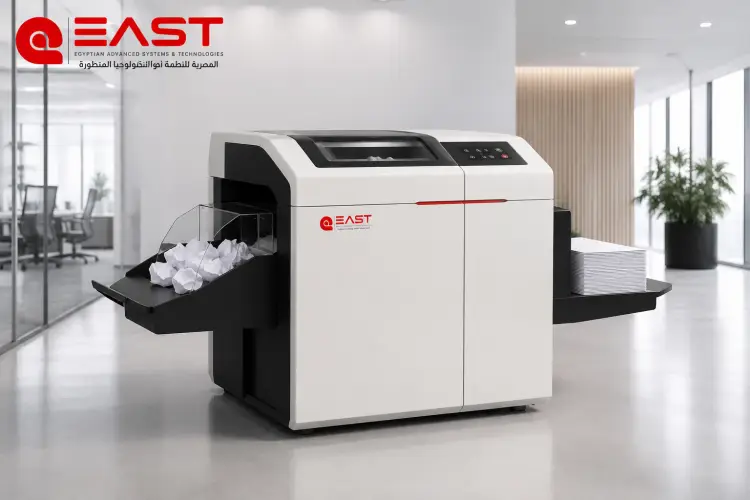
Types of Paper Recycling Machinery & Production Lines
Processing equipment varies significantly depending on the target end-product, daily tonnage, and initial capital outlay. Categorizing machinery by product line ensures your investment matches market demand:
1. Kraft Paper & Corrugated Medium Lines
Driven by the boom in e-commerce and logistics packaging, kraft paper lines represent the highest demand segment in the paper recycling industry.
- End Products: Fluting paper, linerboard, and kraft paper rolls for corrugated box manufacturing.
- Target Audience: Packaging converters, box manufacturers, and large industrial parks.
- Key Advantages: Uninterrupted market demand, heavy daily production tonnage, and long-term corporate supply contracts.
2. Molded Pulp & Egg Tray Machinery
Molded pulp machinery offers an ideal entry point for investors seeking moderate capital requirements while manufacturing 100% eco-friendly packaging items.
- End Products: Egg trays, fruit crates, cup carriers, and protective electronic packaging end-caps.
- Target Audience: Agricultural suppliers, beverage distributors, and regional manufacturers looking for a paper recycling machine small scale or medium-scale footprint.
- Key Advantages: Low raw material costs, streamlined operating procedures, rapid capital payback, and small spatial footprint.
3. Tissue & Sanitary Paper Production Lines
Sanitary paper plants represent advanced, highly automated industrial setups requiring substantial capital and precise operational engineering.
- End Products: Parent jumbo rolls converted into facial tissue, toilet paper, and industrial kitchen towels.
- Target Audience: Commercial paper converters and large consumer goods manufacturers.
- Key Advantages: Premium profit margins, resilient consumer demand, and high-volume output.
For more information, you can read our article cardboard shredding machine to explore detailed insights and the latest updates
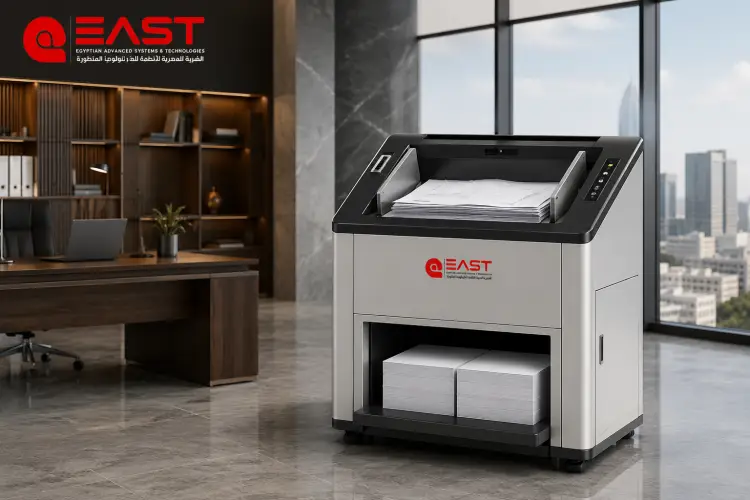
Critical Engineering Parameters Before Purchasing
Selecting the right plant setup requires evaluating operational variables that influence production costs over the lifespan of the machinery. Consider these essential technical factors before closing a contract:
1. Daily Production Capacity
Production capacities vary from small 5-ton-per-day units to industrial lines processing over 50 tons daily.
- Match plant capacity against local waste paper collection networks to guarantee steady raw material supply.
- Confirm that regional market demand can absorb your maximum daily output.
- Running a plant at peak capacity lowers fixed overhead per ton, maximizing profit margins.
2. Energy Efficiency & Motor Ratings
Electricity and thermal energy represent major ongoing operating expenses in pulp processing. Investing in an advanced system equipped with energy-efficient motors significantly reduces utility expenses over time.
3. Closed-Loop Water Recycling Systems
Modern paper plants utilize huge volumes of water during pulping and forming phases. Integrating a closed-loop water treatment system purifies and recirculates process water back into the system.
- Reduces fresh water consumption by up to 85%.
- Cuts operational costs while fulfilling environmental compliance standards.
- Prevents process downtime caused by local water supply constraints.
4. Facility Layout & Spatial Footprint
Recycling lines require well-planned floor layouts to accommodate raw material storage, processing units, and finished inventory management.
Allocate clear floor space for raw material receiving and sorting.
Design dedicated zones for chemical dosing and wastewater recovery units.
Maintain spacious logistics corridors for forklift operations and loading bays.
With over 30 years of specialized engineering expertise, EAST Automation provides end-to-end industrial consultations. We help investors select, configure, and install the perfect paper recycling machine tailored to their floor plan, daily tonnage goals, and financial budget.
Market Pricing: How Much Does a Paper Recycling Machine Cost?
Equipment pricing varies based on production capacity, automation tier, manufacturing origin, and auxiliary machinery inclusion. Because each plant is custom-engineered, overall capital requirements span several tiers:
|
Line Type & Configuration |
Average Paper Recycling Machine Price (USD) |
Target Scale & Application |
|
Molded Pulp & Egg Tray Lines |
$15,000 – $120,000 |
Small to Medium Eco-Packaging Projects |
|
Kraft & Corrugated Paper Lines (5–15 Tons/Day) |
$150,000 – $350,000 |
Commercial Box & Board Manufacturers |
|
High-Capacity Sanitary Tissue Lines |
$500,000 – $1,500,000+ |
Enterprise Industrial Plants |
When evaluating total capital expenditure, many buyers also compare alternative processing solutions—such as looking up specialized office-scale hardware like the Epson paper recycling machine price for localized corporate office re-pulping, or setting up a compact paper recycling machine small scale facility. However, for true commercial returns and industrial-grade output, investing in heavy-duty machinery through EAST Automation delivers unmatched ROI.
For more information, you can read our article Paper shredding machine to explore detailed insights and the latest updates
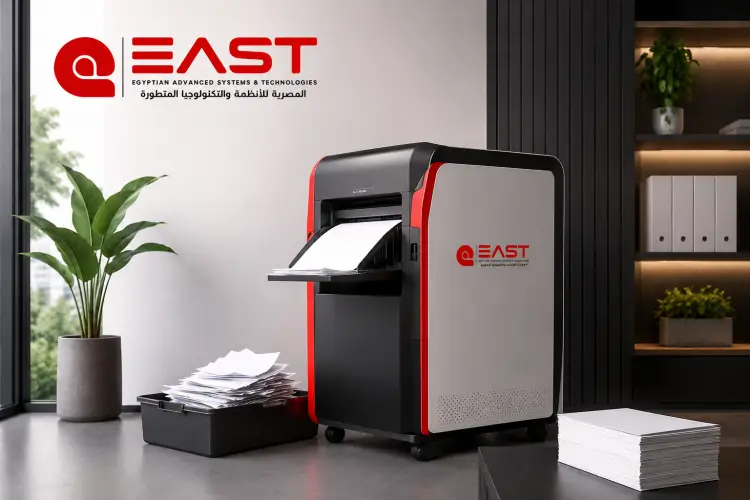
Key Rules for Importing Paper Lines from Overseas (China/Turkey)
Importing industrial lines requires thorough quality control to avoid costly installation delays or mechanical flaws:
- Partner with a Vetted Manufacturer: Verify the supplier’s track record, export credentials, and engineering background through a trusted third-party technical consultant.
- Mandate Factory Acceptance Testing (FAT): Never authorize final shipment before witnessing a complete dry-run and wet-run test of the assembled line at the manufacturer’s facility.
- Secure Essential Spare Parts Packages: Include high-wear spare parts (press fabrics, wire meshes, seals, bearings, and refiner plates) in the main purchase contract.
- Inspect PLC Control Software Access: Ensure the human-machine interface (HMI) supports multi-language navigation (English/Arabic) and allows remote diagnostic access.
- Contract On-Site Commissioning: Guarantee the contract obligates the supplier or regional partner—such as EAST Automation—to send specialized engineers for installation, testing, and operator training.
Frequently Asked Questions (FAQs)
Can I launch a commercial project using a used paper recycling machine?
Yes, starting with a certified refurbished line can significantly reduce initial capital outlay. However, you must conduct a thorough non-destructive technical audit of the press frames, drying cylinders, and gearboxes to verify structural integrity before purchase.
Can I install a paper recycling machine at home for commercial production?
While small hobbyists construct manual paper frames, running a commercial-grade paper recycling machine at home is not feasible due to high electrical demands, industrial water requirements, noise levels, and spatial needs. Commercial ventures require dedicated industrial zoning.
How many workers are needed to operate a paper production line?
Staffing depends entirely on the plant's automation level:
- Fully Automated PLC Lines: Require 3 to 6 technicians per shift to monitor control screens and manage logistics.
- Semi-Automated Lines: Typically require 8 to 12 operators per shift to handle manual feeding, roll handling, and packaging.
What is the average raw material waste ratio during recycling?
Material loss ranges between 15% and 25% depending on waste paper quality. This shrinkage stems from the removal of non-fibrous contaminants (plastics, tape, staples) and the washing out of micro-fine fillers and inks during refining.
Build Your Sustainable Industrial Enterprise with EAST Automation
Entering the recycled paper market offers a high-return, eco-conscious investment opportunity. By partnering with EAST Automation, you gain access to premier technical consulting, top-tier machinery sourcing, complete site commissioning, and lifetime post-sale technical support.
Contact EAST Automation today to request a free engineering consultation and secure the ideal paper recycling machine for your commercial goals.